
Thailand is home to hundreds of Muay Thai training gyms, ranging from rustic roadside camps in the rural north to high tech performance centers in the south. For a traveler looking to transition from a fan to a practitioner, the sheer volume of choices can be overwhelming. Selecting the wrong environment can lead to frustration, injury, or a lack of technical progress. To ensure your journey is successful, you must match your current skill level with the specific philosophy and infrastructure of a camp. This guide provides the essential criteria for making an informed decision so that your time on the mats is both safe and transformative.
Assessing Camp Intensity and Beginner Programs
If you are a complete novice, your primary focus should be on gyms that offer structured beginner curriculums. Some traditional camps are geared exclusively toward professional fighters and may not have the patience or the staff to teach basic footwork and stance to a tourist. Look for facilities that advertise fundamental classes where the student to trainer ratio is kept low, ideally around four students per instructor. Statistics from major fitness hubs like Phuket suggest that Muay Thai training camps with dedicated beginner tracks see a 30 percent higher retention rate among international travelers. A good beginner camp will prioritize technical mechanics and safety over raw power or high volume conditioning.
Evaluating the Trainer to Student Ratio
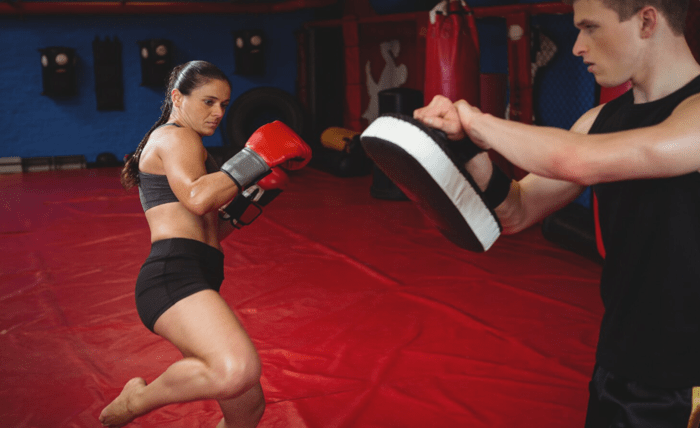
The quality of your experience is directly tied to the amount of individual attention you receive. In a world class Muay Thai program, you should receive at least three to five rounds of one on one pad work with a trainer during every session. This is where the real learning happens, as the trainer corrects your balance and timing in real time. Before booking, check reviews or ask the camp directly about their typical class sizes. A crowded gym where you are left to hit a heavy bag for ninety minutes without feedback will not provide the value you are paying for. Professional camps often employ trainers with over 200 professional fights of experience, ensuring you learn authentic techniques.
Choosing the Right Geographic Environment
The location of the camp significantly impacts your recovery and overall enjoyment. If you thrive in a social, high energy atmosphere with modern amenities, the camps along Soi Ta-Ied in Phuket are ideal. This area features a specialized infrastructure of healthy cafes and recovery centers. However, if you prefer a quiet, traditional experience with lower costs, the rural camps in Northern Thailand near Chiang Mai or Isan may be more suitable. Rural gyms often offer a deeper cultural immersion and lower tuition fees, sometimes costing 40 percent less than the premium facilities in tourist hubs. Consider whether you want the convenience of a resort or the grit of a traditional village setting.
Infrastructure for Recovery and Nutrition
Muay Thai is a physically demanding sport that requires a high caloric intake and professional recovery. A world class camp should either provide or be located near facilities that offer traditional Thai massage and proper nutrition. Training in 30 degree heat with 80 percent humidity causes significant muscle fatigue and electrolyte loss. Check if the camp offers on site accommodation or has partnerships with local restaurants that provide macro balanced meals. Access to an ice bath or a dedicated recovery zone can reduce systemic inflammation by up to 20 percent, allowing you to sustain a twice daily training schedule throughout your stay.
Understanding Cultural Etiquette and Gym Philosophy
Every Muay Thai training camp such as Muaythai-thailand has a unique culture, often dictated by the head Kru or the gym owner. Some camps are deeply traditional and emphasize spiritual rituals like the Wai Kru, while others are more westernized and focused on fitness or MMA competition. Research the gym’s social media or website to understand their values. A camp that respects the traditional hierarchy and emphasizes humility will offer a more authentic cultural experience. By choosing a camp that aligns with your personal goals and skill level, you ensure that your time in Thailand is not just a workout, but a meaningful step toward mastering the art of eight limbs.